How to Iron a Sherwani
June 15, 2026 2026-07-29 22:45
How to Iron a Sherwani
A sherwani should look composed. The fabric needs to hold its line so the embroidery can stand out. The finish should look careful, never rushed.
At Hena’s Kapray, we usually recommend steaming instead of ironing because it is gentler on delicate fabrics, embroidery, and structured tailoring. If you do not have a hand steamer, careful ironing can still help maintain a sharp, clean look.
In this blog, we’ll walk you through the safest way to iron a sherwani without damaging its shape, fabric, or decorative work.
Start With the Fabric First
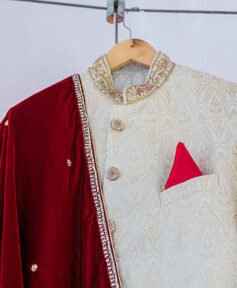
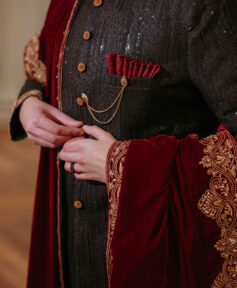
Before you plug in the iron, look closely at the fabric. Sherwanis are usually made up of silk, raw silk, jacquard, velvet, or other formal materials, and each one reacts differently to heat. A low-heat setting is usually the safest choice when the cloth feels delicate. You should also check the care label before pressing begins.
That first check saves trouble later. It helps you avoid shine, burn marks, and flat spots that can change the look of the outfit. If the sherwani has a fine finish or visible texture, test a section before moving ahead.
At Hena’s Kapray, we work with custom sherwanis designed for special occasions, and the fabric choice is part of the customization. That is why careful pressing matters just as much as careful stitching.
Set Up a Clean Pressing Space
A good setup makes the job easier. Use a clean ironing board, a light pressing cloth, and an iron with adjustable heat. Keep the surface dry unless the fabric needs steam. A neat space helps you stay focused and reduces the chance of mistakes.
Use these items before you begin:
- Clean cotton cloth for protection
- Adjustable iron with low heat
- Firm board with smooth cover
- Wide hanger for cooling
- Small spray bottle, used lightly
Once your tools are ready, press one section at a time. That simple habit keeps the fabric stable and helps you stay in control. It also gives you a better result than pressing the whole garment in a hurry.
Work in Small Sections
A sherwani presses best when you move slowly across it. Begin with the collar, then move to the sleeves, front panels, and back panel. Do not drag the iron across the cloth. Lift it, set it down, and move to the next spot. That approach protects the fabric and keeps the surface smooth.
Short, careful movements matter more than pressure. If you have access to a hand steamer, use it lightly to relax wrinkles before ironing. If not, use minimal steam from the iron and only enough to ease out the wrinkle. Too much moisture can leave a mark, especially on darker or more textured fabric. This is where patience pays off. When you handle the garment in sections, you stay in control of the shape. The sherwani keeps its line, and the fabric stays stable.
Protect Embroidery and Surface Detail
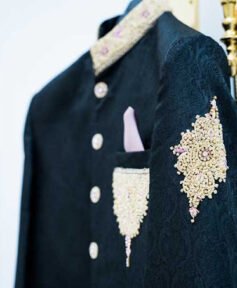
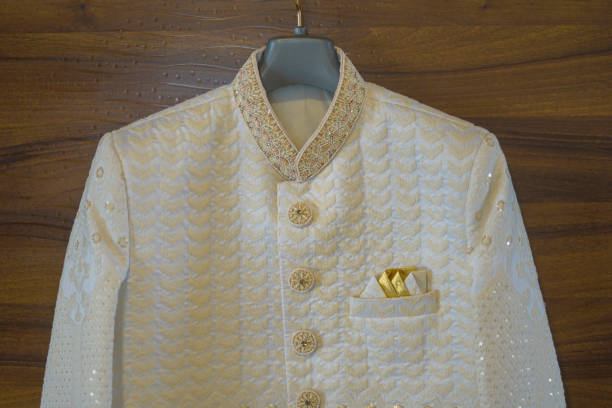
Many sherwanis have embroidery, beadwork, or other decorative accents. Those details need special care. Never place a hot iron directly on embossed work. Use a pressing cloth between the iron and the fabric, and press from the reverse side whenever possible.
At Hena’s Kapray, we design pieces with detailed work that deserves careful handling after production. The same attention that shapes the custom piece should guide the ironing step as well. A small mistake near the embroidery can change the look of the entire front panel.
If one decorated section feels tricky, do not force it. A hand steamer is usually the safest option for embroidered areas because it reduces direct heat contact with delicate detailing.
Shape the Collar, Sleeves, and Hem
The smaller details decide whether the sherwani looks polished. The collar should sit firmly without looking flattened. Sleeves should stay smooth and tidy. The hem should hang evenly and keep its structure. These areas need close attention because they frame the rest of the outfit.
A few careful checks can help you finish well:
- Check the collar edge under the light
- Smooth sleeve creases with short presses
- Keep the hem even and balanced
- Repress only the marked spot
This is also the point where you should slow down again. If one section still looks uneven, return to it with the cloth in place. A gentle repeat is better than a harsh correction.
Finish and Store It Properly
Once the sherwani is pressed, hang it on a wide hanger. Let it cool fully before folding or packing it. Warm fabric creases again easily, and that can undo your work. A breathable garment cover helps protect the outfit from dust while keeping the cloth from feeling trapped.
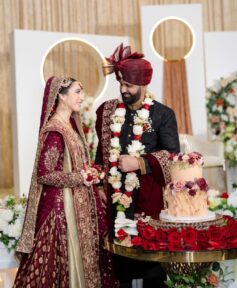
At Hena’s Kapray, we make custom bridal wear and groom sherwanis on order, and the final finish should always match the care that went into the design. When the garment is handled well, it keeps its shape and stays ready for the moment it is needed.
Conclusion
Knowing how to iron a sherwani comes down to patience, light heat, and steady handling. You protect the fabric by working in sections, and you protect the design by respecting each detail. When the outfit is custom-made, that care becomes even more important.
Start your custom sherwani design with Hena’s Kapray and create a look that feels timeless from the first fitting to the final press.
Related Posts